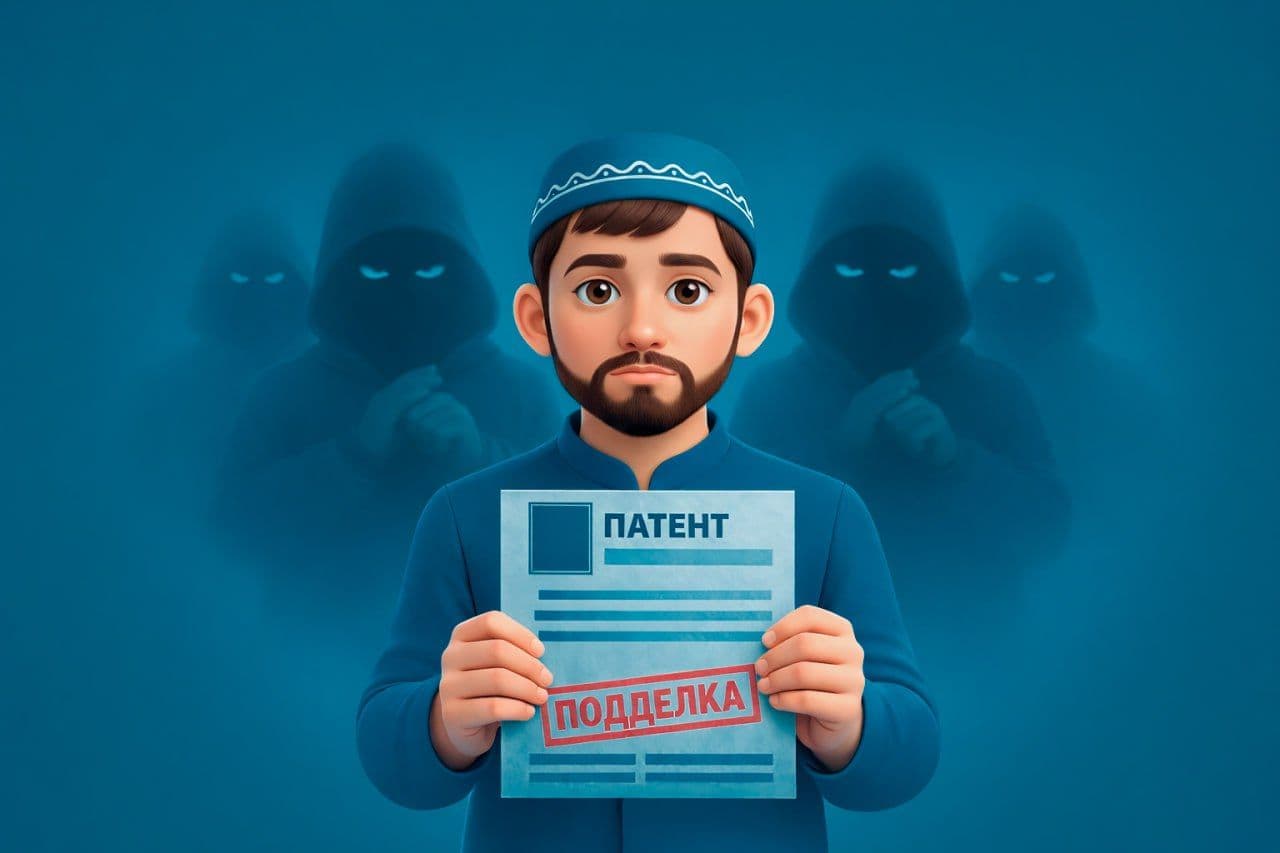
Migrants in Russia often become targets of scammers. The reason is simple: not everyone knows the laws, rules, or even the language well. Dishonest people take advantage of this.
Below are the most common types of fraud:
Document-related scams are the most common. Online, people offer to “quickly arrange a work patent,” “extend registration without leaving the country,” or “solve the issue through contacts.” As a result, a person either receives fake documents or loses their money and later faces fines and inspections.
The second common scheme involves jobs. Scammers promise official employment and good wages. In reality, people work without a contract, salaries are delayed, or not paid at all.
Many scams are related to housing rentals. Scammers take an advance payment, show photos, and then disappear after receiving the money. Sometimes they let a person move in, but after a few days evict them without a refund.

Calls and messages in messengers about fines and inspections are almost always scams. Fraudsters intimidate people with deportation or urgent inspections and demand money transfers. Government authorities never request payments by phone or through messengers.
Pseudo-lawyers and “helpers” are another risk. They promise to lift entry bans, close cases, or “arrange everything.” They ask for payment upfront but provide no guarantees. In most cases, they disappear after receiving the money.
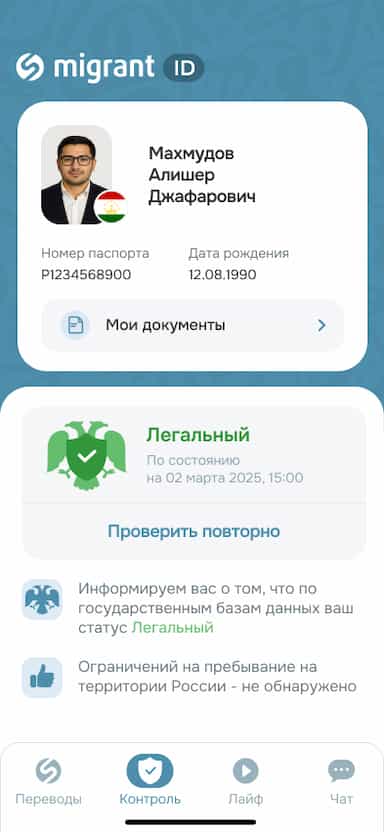
To protect yourself, it’s important to check your migration status on your own and not rely on the words of strangers. Through Migrant ID, you can find out about possible violations of migration laws and receive recommendations on what to do in difficult situations.
The more you know and verify yourself, the lower the risk of becoming a victim of scammers.
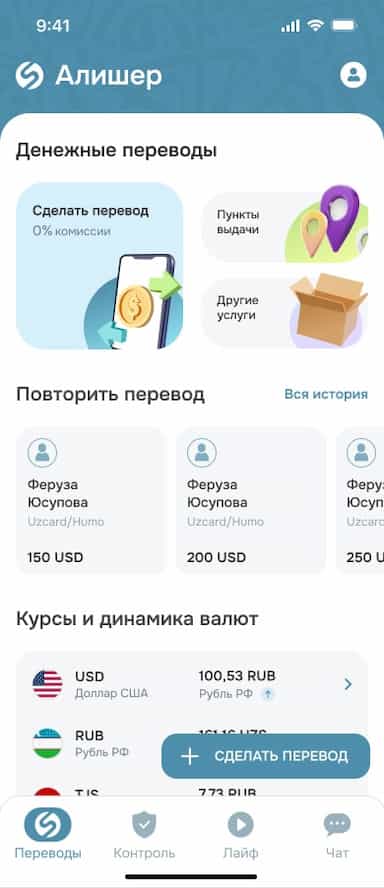
Install SalamPay and use the Migrant ID service.
Follow the latest migration law news on our Telegram channel.